
Raukotahi Rangatahi Summit 2026: Growing Future Leaders Through Whenua, Culture and Connection.
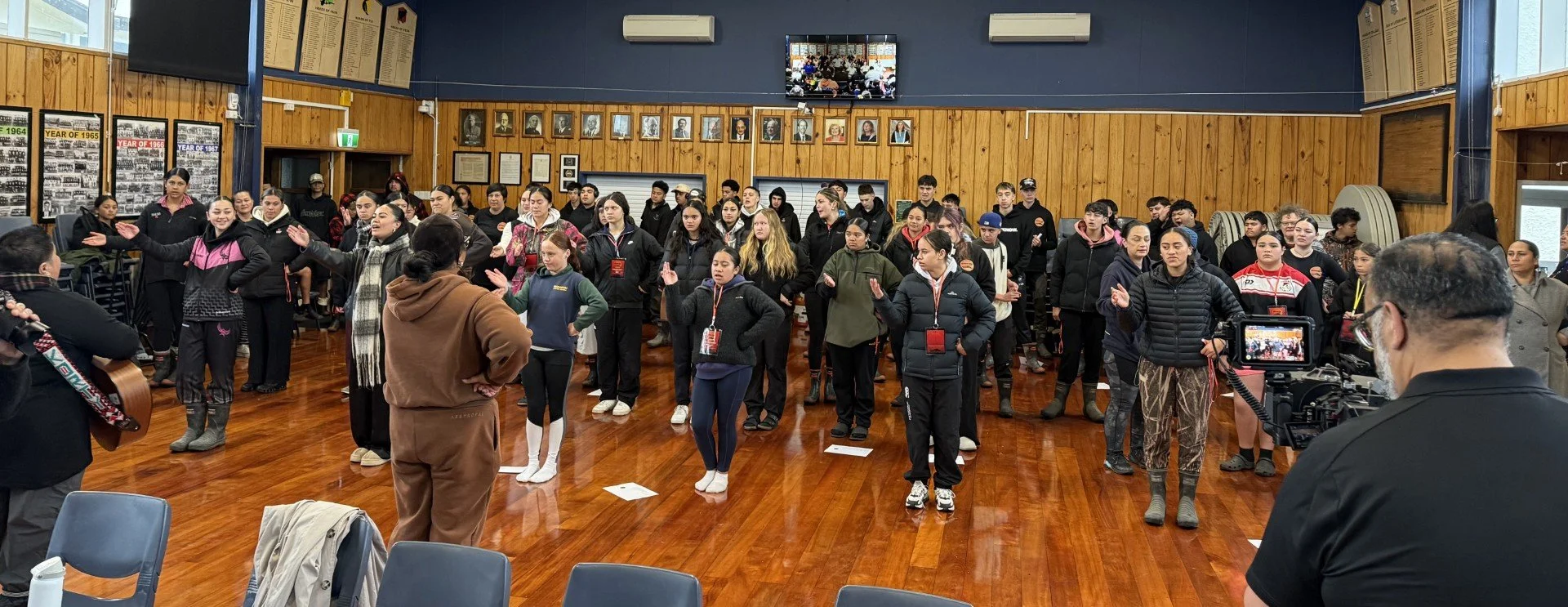
Seventy-six rangatahi from more than 20 iwi and hapū affiliations came together for the Raukotahi Rangatahi Summit, a four-day kaupapa led by Ngā Waihua o Paerangi Trust and supported through the Ka Kā Te Rama Initiative Fund. The summit draws its participants from along the length of the Whanganui River and beyond, mai Te Kāhui Maunga ki Tangaroa; gathering rangatahi connected by a shared genealogy. They came from as far away as Kaikohe, from Pipiriki, Parikino and Hāwera, and from Palmerston North. The summit focused on strengthening leadership, cultural identity, resilience, wellbeing and connection to whenua.
Designed as a practical and culturally grounded learning experience, the programme created opportunities for rangatahi to learn new skills, build confidence and form relationships across iwi and the community. It also reflected Whānau Ora aspirations by encouraging rangatahi to see themselves as active contributors within their whānau, hapū and communities.
As Ngā Waihua o Paerangi chief executive Helen Leahy explains, raukotahimeans to come and go not as a singular identity but as one who is a culmination of all those:
· who were before you,
· all those that stand at your side and
· all those who will follow after you.
“The desire to support our youth with the cultural, social, environmental and professional skills to lead the iwi into the future, was reflected in the connection to their awa, maunga, marae, whānau and the associated pūrākau,” says Helen.
A key feature of the summit was an emergency preparedness workshop facilitated by Ayla Fryer and supported by the Ngā Waihua o Paerangi Trust team. Delivered at the beginning of the programme, the workshop introduced rangatahi to household readiness, practical response strategies, community resilience and whānau-centred approaches to preparedness. For many participants, it was their first introduction to emergency management in a learning environment and helped build an understanding of the important role rangatahi can play during times of crisis.
In explaining the importance of this workshop, Helen said that “Preparing for resilience helps our rangatahi to cope with stress, with weather shocks, with emergency situations and provides them with the tools to face daily challenges. The need to be ready to respond was exemplified by the severe magnitude 5.9 quake that hit central North Island, just one week after the Raukotahi summit.”
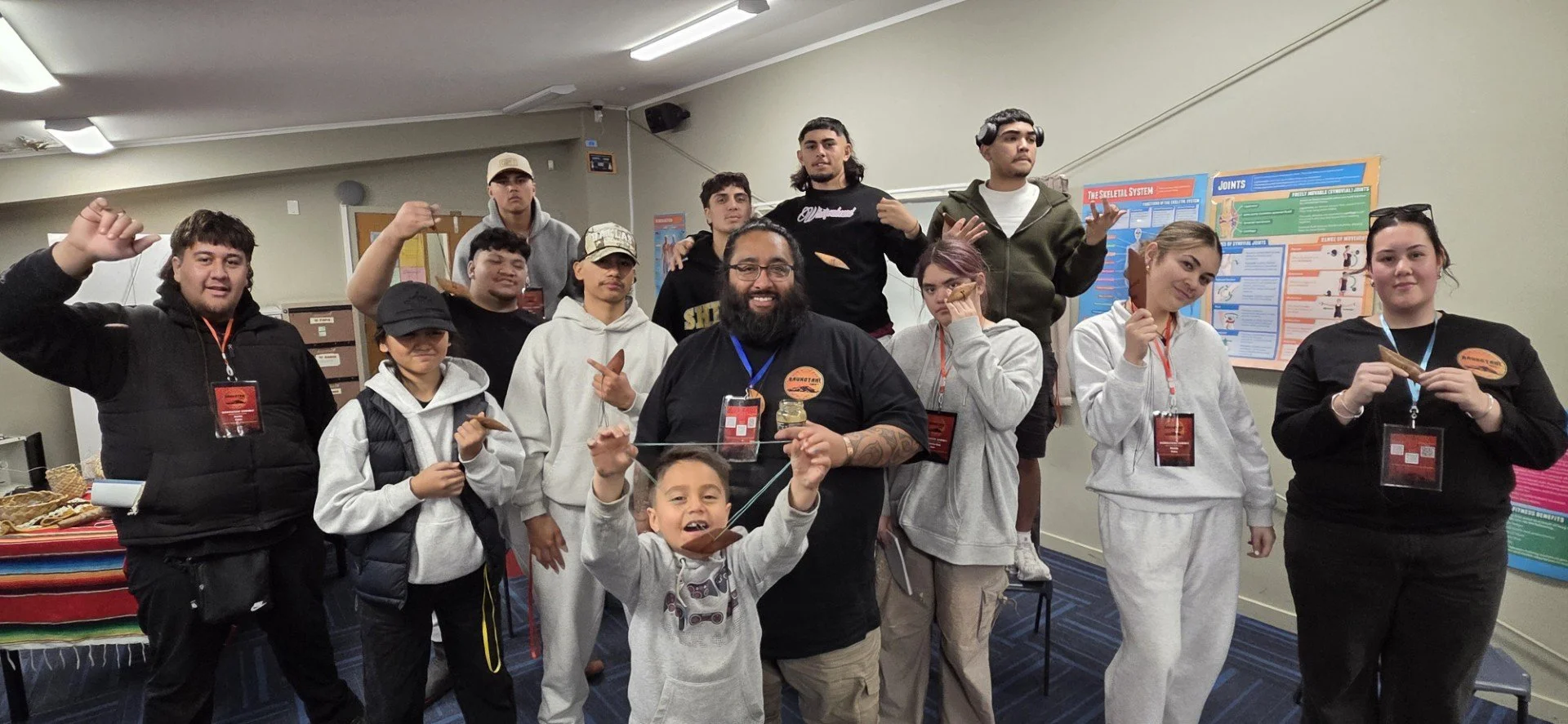
Participants were then able to choose a workshop stream focused on leadership, creativity and self-expression. Through Taonga Pūoro, rangatahi explored traditional Māori instruments and their role in storytelling and cultural expression. Others took part in the Ira Tangata Leadership Journey, reflecting on identity, values, strengths and aspirations through facilitated discussion and creative exercises. Artistic workshops including whakāpīwari and Toi Whakaahua provided opportunities to create jewellery, printmaking and personalised gumboot designs inspired by Māori design principles.
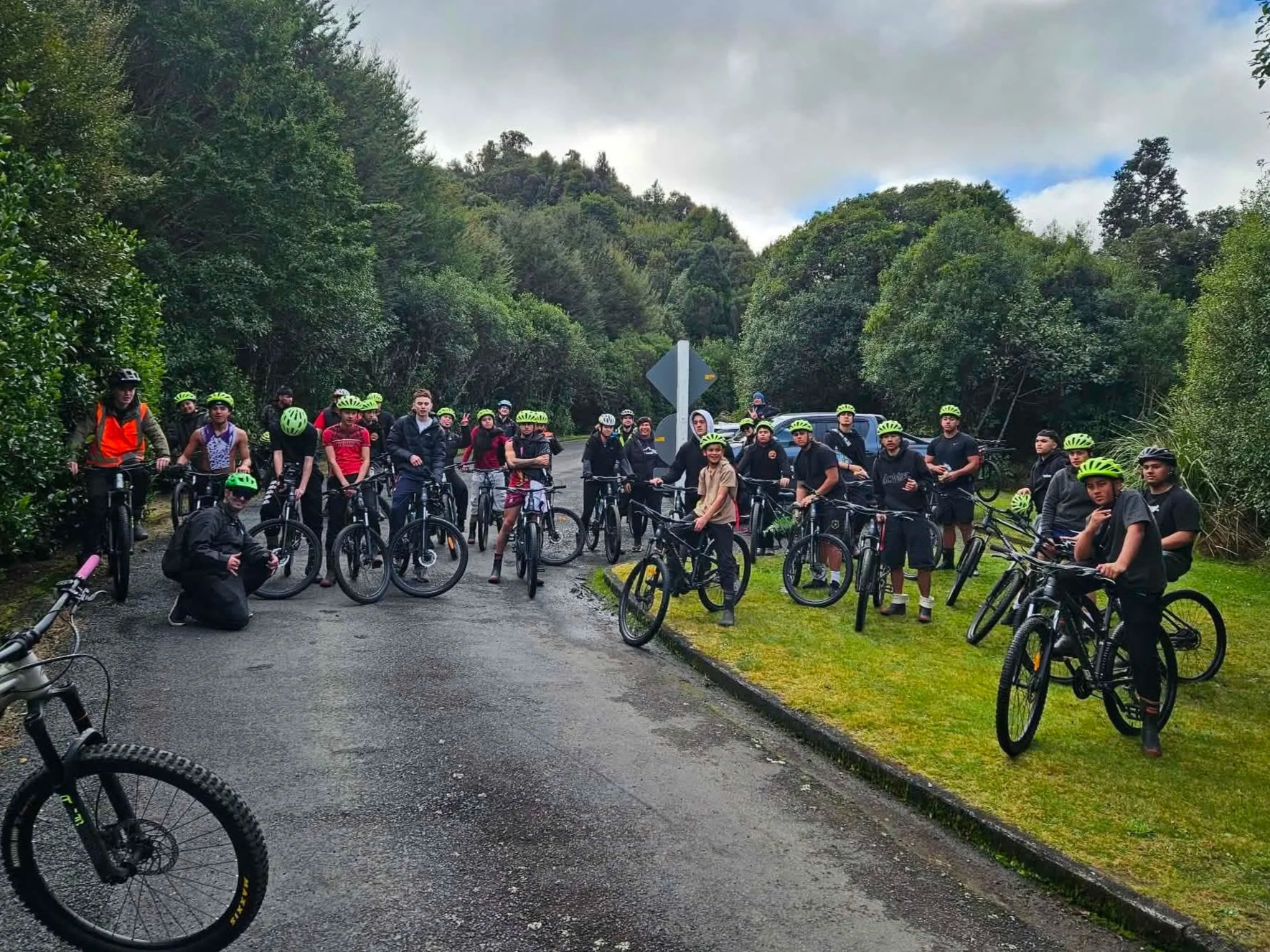
Whenua-based learning experiences formed another important part of the summit. Rangatahi travelled up Mt. Ruapehu to learn kōrero tuku iho and whakapapa connected to the maunga, explored Te Ara Mangawhero by bike, gained hands-on experience in the māra kai, and learned practical butchery and food production skills at the Boars Nest Experience. Activities included native tree planting, environmental restoration, venison processing and burger preparation, helping participants connect with important concepts of kaitiakitanga, sustainability and food sovereignty.
Beyond the workshops, one of the strongest outcomes was the whakawhanaungatanga created among participants. Representing iwi from across Aotearoa but bound together by a common genealogy as Whanganui, rangatahi built new connections, shared experiences and strengthened their cultural confidence in a supportive and mana-enhancing environment. More than 30 adults, including facilitators, volunteers, iwi leaders and support staff, contributed to delivering the summit and ensuring a safe, high-quality experience for all involved.
As one rangatahi reflected after completing the Te Ara Mangawhero ride: “It was hard work getting up the hill, but it felt good when we made it to the top.”
Another participant said, “I enjoyed learning how to prepare the meat and make burgers.” Comments such as these speak to the value of creating opportunities where rangatahi can challenge themselves, learn practical skills and connect with others in meaningful ways.
For many rangatahi, the value of the summit was immediate – the chance to spend time together. Across games, walking the catwalk in kakahu Māori, waiata practice or munching on venison in a bbq lunch, rangatahi had the chance to strengthen their love for their whānau, hapū and iwi; to learn some new skills; and understand their relationship as stated in every pepeha - Ko Ruapehu te Maunga.