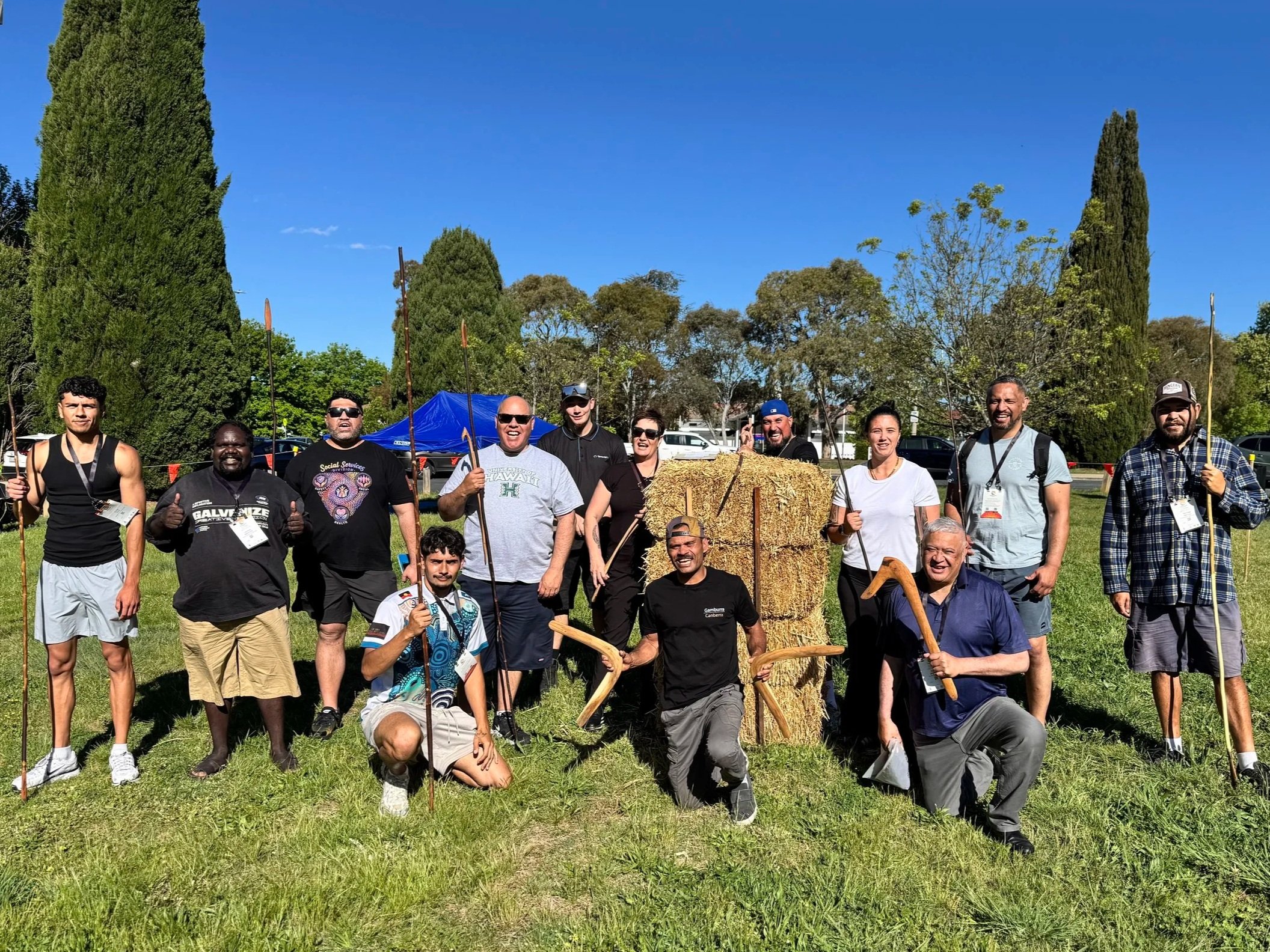
It was a privilege for Shane Metekingi, our Māhutonga Relationship Lead and I to attend the 2026 Indigenous Well-being Conference in Canberra, on the lands of the Ngunnawal people this month. Arriving in a place with no visible acknowledgement of the Aboriginal people, one of the world’s oldest continuing living cultures, in any public space I found surprising - there was no signage, no public art, no recognition, no celebration.
A city built at such an unnatural scale, that was planned and built to take as much whenua as possible to create streets so wide and with parks with so few people in them – I found it truly fascinating. But then I discovered a couple of beacons, opposite the Old Parliament Building, a campsite of resistance, protesting deaths in custody, the environmental degradation, the taking of land and subjugation of people. I also saw a lot of bird poo on the forecourt of the new Parliament building and that made me smile – you can try to force the taiao back but she always has the last say.
There were so many incredible speakers, dancers and performers and ways to connect it’s been hard to think of one theme but what really struck home was the power of sharing cultural practices and the impact of applying indigenous wisdom in small and big ways – and what better way for this to be demonstrated than with the examples listed below which starts and ends with Whānau Ora Providers in the regions you represent.
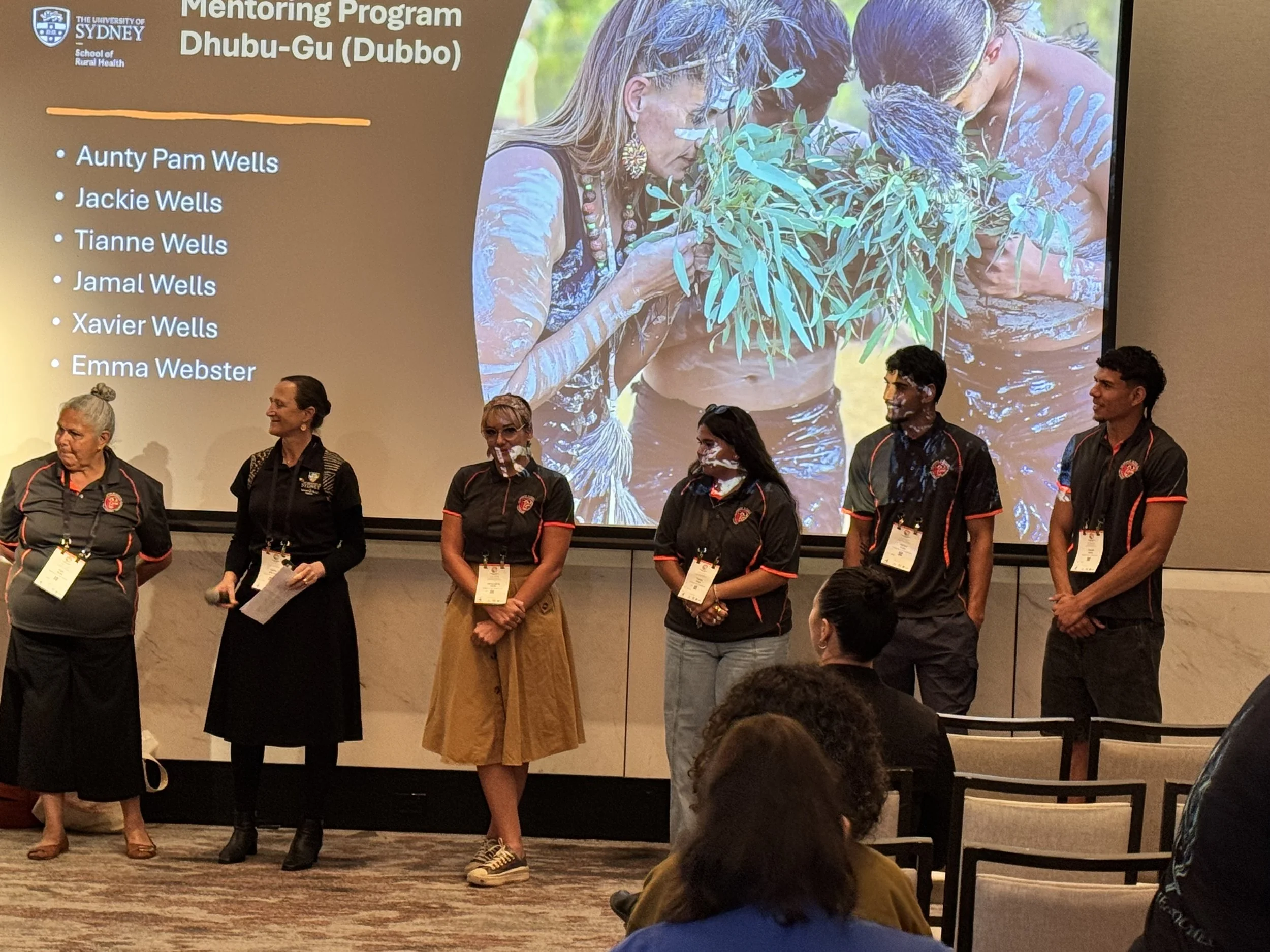
From the three wāhine, Te Rina Ransfield, Stevana Tuhoro and Matewai Wharepapa from Te Puna Ora o Mataatua who sung and talked so powerfully about the matauranga of the maramataka to inform practices around suicide prevention; Aunty Pam Wells and her charismatic whānau who had us pushing back the chairs so we could follow their dances, while her moko sung waiata from the Wiradjuri nation as examples of how they lead rangatahi programmes.
Matua Lyle Whitefish, from the Cree nation in Saskatchewen spoke on economic development and the intention of his sovereign nation to trade timber and wood products with another sovereign nation and the challenge this activity would cause to the tariff policy of one orange-toned political leader – the room erupted … I cannot wait to read that headline!
Emalani Case, from Hawaii spoke on the first day on the concept of radical hope, and the 16-year campaign against militarisation that her people have had to fight to protect their maunga, whenua, awa and moana from literally being blownup and poisoned. Lastly, a big shout out to James Cherrington from He Puna Hauora, part of Te Tihi Collective who spoke so movingly of whānau stories and about the impact of Whānau Ora. His insights into the journey, particularly for tāne was so insightful and resonated with the audience, there wasn’t a dry eye in the house.
It certainly was an incredibly worthwhile trip and it’s awesome that the next Indigenous Wellbeing Conference will be held closer to home – right here in Te Whanganui a Tara.
Find out more about the 2027 Indigenous Wellbeing Conference -