
Restoring cultural pathways to move through grief
Te Tapuwae o Rangi is an iwi-led kaupapa that walks alongside whānau during one of the most vulnerable times in their lives. Born from lived experience and deep aroha, this initiative responds to the growing reality that many whānau are navigating grief without the cultural guidance, tikanga grounding and support that once sat naturally within our communities.
As a Pou Manaaki, Monique Anderson-McDonald is carefully building the foundations of this kaupapa with support from umbrella organisation Rangitāne o Manawatū Settlement Trust. Guided by the voices of whānau and kaumātua, she has shaped resources and grief support pathways that honours both tūpuna knowledge and the realities whānau face today. Monique says the kaupapa is not simply about producing educational tools or information.
“It’s about rebuilding spaces where grief can be held collectively, where tikanga becomes an anchor, and where whānau feel supported rather than alone,” she says.
Although tangihanga remains one of the most sacred practices in te ao Māori, the systems that surround death can feel overwhelming, disconnected, and financially burdensome. For many whānau, grief has become an isolated journey rather than a collective one. They are often left unsure of where to start, how to prepare, what tikanga to uphold, or how to carry the emotional and spiritual weight of loss.
Te Tapuwae o te Rangi seeks to restore those pathways of understanding – placing tikanga, connection, and manaakitanga back at the centre of the grieving process.
Tikanga Māori centres the collective, not the individual. It allows grief to be expressed openly through karakia, karanga, waiata, kōrero, presence and shared responsibility. It weaves together the spiritual and physical – honouring the wairua of the tūpāpaku and the wellbeing of the whānau in a holistic way. Monique explains that one of the clearest distinctions between tikanga-based and mainstream approaches lies in how mate (death) is understood.
“Mate is not something to process or ‘get through.’ It is a transition – a sacred journey from this world to the next. Our role is to walk alongside whānau, ensuring that journey is guided by tikanga, held in aroha, and never rushed or reduced to a transaction,” says Monique.
This kaupapa was sparked by Monique’s lived experience, particularly the passing of her brother, Cory Sharland, in 2025. His encouragement to continue serving their iwi helped strengthen her commitment to this moemoeā.
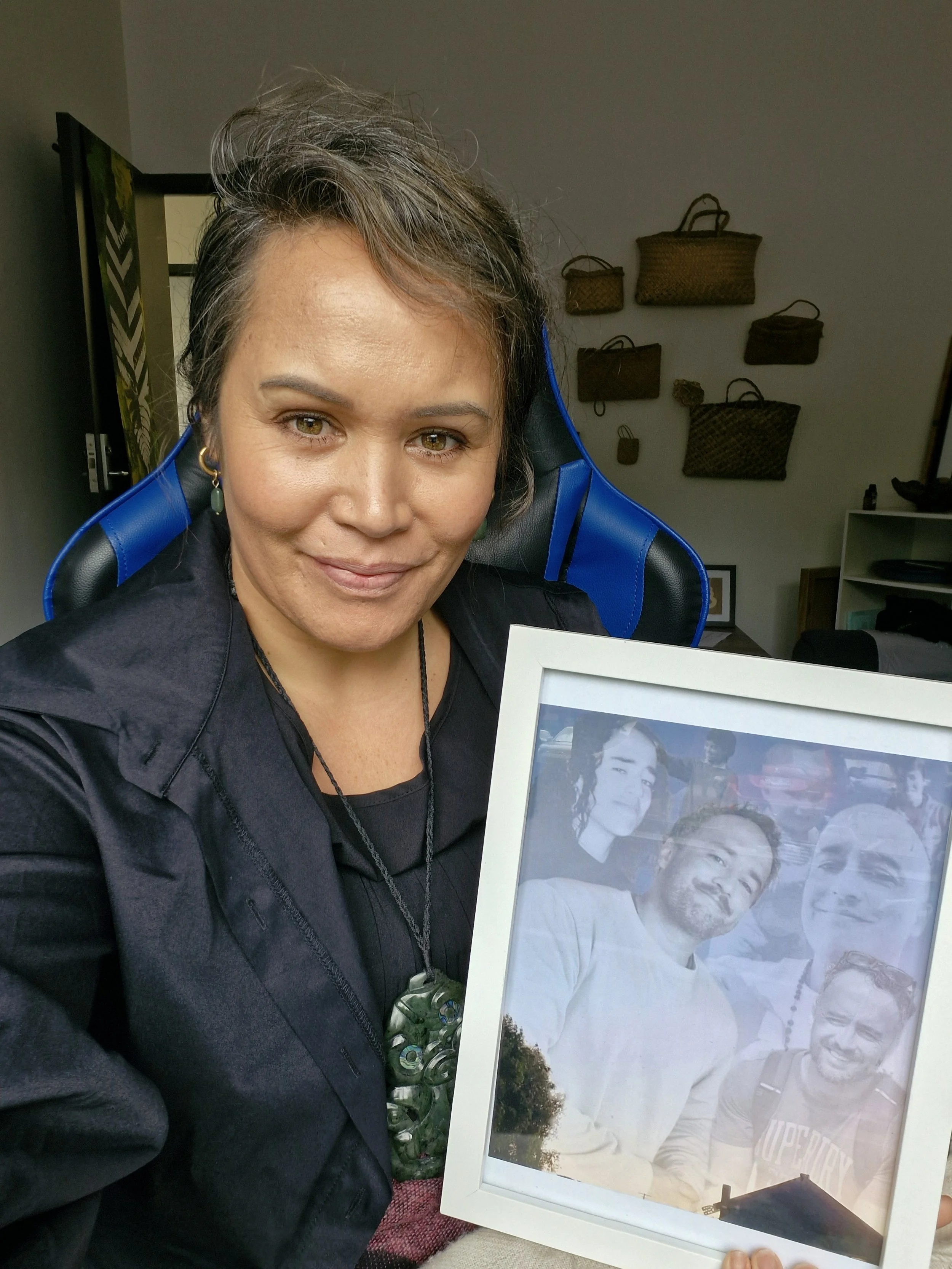
Monique felt the tohu from her brother Cory Sharland, to begin mahi on Te Tapuwae o Rangi, a name which comes from honouring the sacred journey to Rangi.
“It really has been a wairua-driven kaupapa from its inception. Not long after he passed, i puta mai i tēnei moemoeā. Because he knew how much he meant to us, and I felt the tohu from him guiding me into this space,” she reflects.
As the kaupapa continues to grow, its guiding values remain steadfast, ensuring every step is taken with integrity. Whānau are beginning to reconnect with their tikanga and recognise they can lead their own processes with confidence – and Monique sees the vision coming to life.
“Those moments remind me that this mahi is not just needed, it’s already creating change.”
At its heart, Te Tapuwae o Rangi is about restoring the pathways that allow whānau to move through grief together, held by culture, community and aroha.